CBD Education
Supporting video retained from the existing Medical Benefits page.
CBD is being studied across a wide range of health and wellness contexts. This guide explains where research is established, where findings are promising, and where much more evidence is still needed.
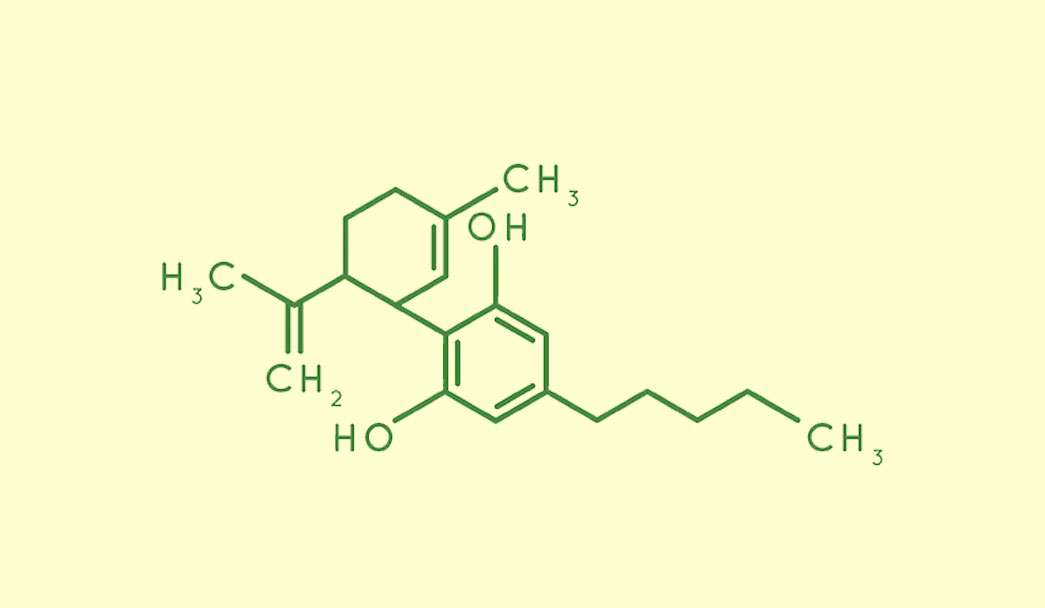
CBD research ranges from laboratory and animal studies through to small human trials and, in a limited number of settings, approved prescription medicines.
The strongest evidence is not the same across every condition. A result from an animal study does not automatically mean the same effect occurs in people, and findings from a small trial should not be treated as proof that an over-the-counter CBD product will produce the same outcome.
The original Siam Herbal Health Medical Benefits page brought together research involving anxiety, epilepsy, PTSD, opioid dependence, ALS, pain, diabetes, neurological disease and arthritis. Those subject areas are preserved below, with the wording updated to distinguish established evidence from preliminary or mixed findings.
Clinical studies may use pharmaceutical-grade CBD, THC:CBD combinations, synthetic cannabinoids or doses that differ substantially from retail wellness products.
The original page included these two educational videos. They are retained here as supporting material alongside the written research summary.
Supporting video retained from the existing Medical Benefits page.
Second supporting video retained from the existing page.
Jump directly to the research area you want to understand.
These summaries retain the evidence themes from the existing page while removing wording that could imply CBD is a proven treatment where the research does not support that conclusion.
One of the studies cited on the original page examined CBD before a simulated public-speaking task. Participants receiving 300 mg reported less anxiety than the placebo group, while the lower and higher doses did not show the same pattern.
Animal research has also investigated antidepressant-like effects, but animal findings cannot establish that CBD treats depression in humans. Larger, well-controlled human trials are still needed.
Human evidence exists, but remains limitedThis is one of the clearest areas of cannabinoid medicine. In 2018, the U.S. FDA approved Epidiolex, a prescription form of purified CBD, for seizures associated with Lennox-Gastaut syndrome and Dravet syndrome.
That approval relates to a specific prescription medicine used under medical supervision. It should not be interpreted as evidence that ordinary retail CBD products can be substituted for prescribed epilepsy treatment.
Established prescription use in specific conditionsThe existing page cites a small case series in which CBD was used alongside standard psychiatric care in people with PTSD. Most participants reported reduced symptom severity, but the study involved only eleven people and did not establish CBD as a stand-alone treatment.
PTSD care may involve psychological therapy, medicines or other evidence-based interventions. CBD research in this area remains preliminary.
Early clinical evidenceResearch cited on the original page investigated whether CBD could reduce cue-induced craving and anxiety in people with heroin use disorder. Some favourable effects were reported during the study period.
This remains an investigational area. Opioid use disorder is a serious medical condition and should be treated with established addiction services, medical supervision and evidence-based therapies.
Promising but investigationalThe original page discusses research involving combinations of THC and CBD for spasticity in people with amyotrophic lateral sclerosis (ALS). This evidence concerns cannabinoid combinations rather than CBD alone.
Findings around symptom relief do not indicate that cannabinoids slow, reverse or cure ALS.
Symptom-focused cannabinoid researchCannabinoids have been studied in several pain settings. The existing page references Sativex, a prescription oromucosal medicine containing THC and CBD, as well as a small topical-CBD study involving peripheral neuropathy.
These studies use different formulations and patient groups, so they cannot be generalised to every CBD oil, balm or cream. Evidence for pain management remains formulation- and condition-specific.
Mixed evidence across products and conditionsThe existing page cites laboratory, animal and small human studies examining CBD in relation to glucose-related pathways, inflammation and insulin-related hormones.
These findings are preliminary. CBD should not be described as a natural treatment for diabetes and must not replace insulin, prescribed medicines, dietary management or professional diabetes care.
Preliminary evidence onlyPreclinical research has investigated CBD in relation to inflammatory, oxidative and neurological pathways relevant to diseases such as multiple sclerosis, Parkinson’s disease and Alzheimer’s disease.
Preclinical findings do not demonstrate that CBD prevents or treats these diseases in people. Clinical evidence remains insufficient for broad treatment claims.
Mostly preclinical researchStudies cited on the existing page include a trial of a THC:CBD medicine in rheumatoid arthritis and a later study of synthetic transdermal CBD for osteoarthritis-related knee pain.
Results have not been uniformly positive. Some outcomes improved while others did not differ significantly from placebo, reinforcing the need for larger and better-controlled clinical trials.
Mixed and incomplete clinical evidenceScientific interest in CBD is substantial, but the quality and maturity of evidence differ sharply between research areas.
The original page included the following research and reference links. They are retained here for transparency and further reading.
Learn how CBD and THC interact with the body, review our CBD dosage guide, or explore Siam Herbal Health’s current CBD wellness range.